October 11, 2026
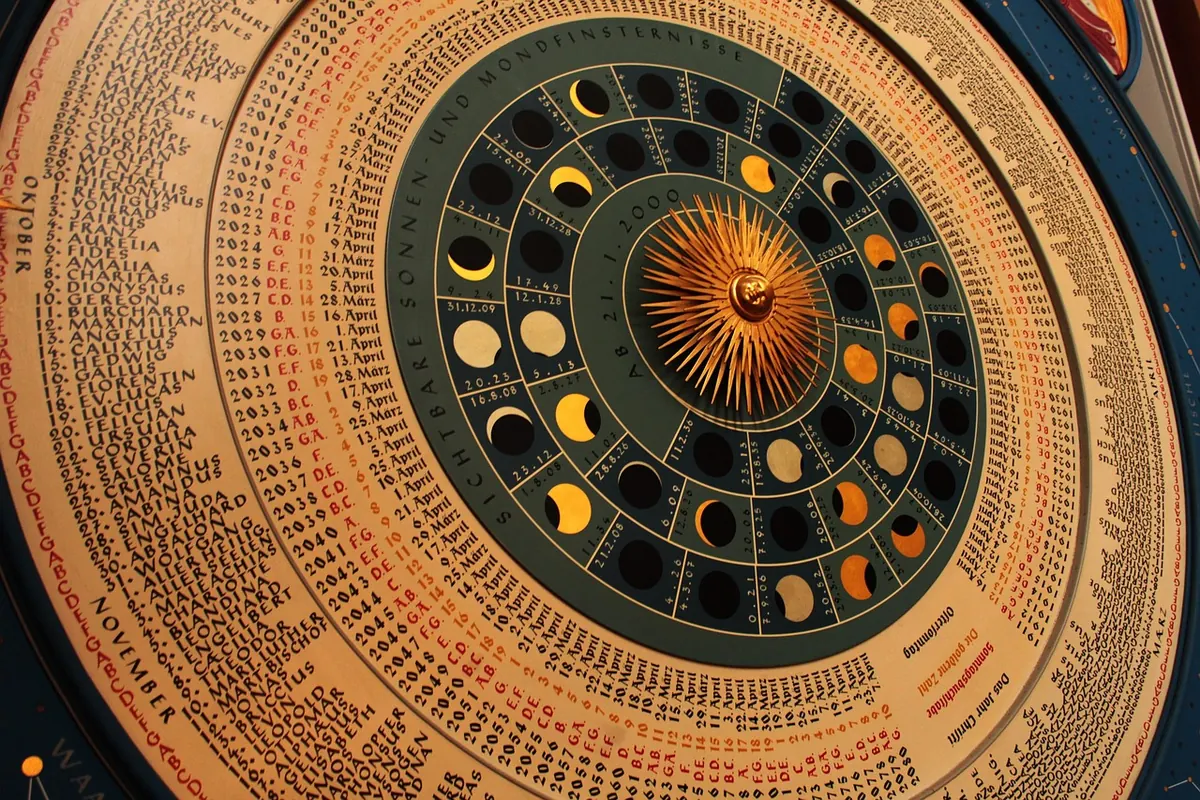
A moon journal looks easy from the outside: step out, glance up, sketch what you see, turn the page. Then a friend sends a photo of a crescent curving the opposite way, or you compare notes with someone abroad and discover your "full moon" fell on their previous evening. The Moon keeps precise accounts, and small recording errors have a way of compounding over a year of notes.
The five mistakes below are the ones that turn up again and again in lunar diaries. None of them need equipment to fix. Most need a pencil, a fixed format, and the patience to write down the boring details: the time, the direction, the place you were standing.
1. Writing the date but not the time
A phase is an instant, not a day. The full moon of 14 August might occur at 02:47 local time in Rome; that same instant is 20:47 on 13 August in New York. Two careful observers, both accurate, write different dates in their notebooks.
There is a second, quieter problem. Many phase times land in the middle of the night or the middle of the afternoon, when nobody is outdoors looking. If your journal says only "first quarter, 6 March", you cannot tell later whether you saw that Moon or copied the date from an almanac. Those are different kinds of entry, and blurring them makes the whole notebook less useful.
The fix is small. Write the clock time of the observation itself, not just the date, and add either your city or your UTC offset. A line like "waxing gibbous, 22:10 CEST, Rome" can be checked, compared and converted. "Waxing gibbous, 14 August" is a rumour. If you do copy a phase time from an almanac or an app, mark it as calculated and note that many apps display in UTC by default — a new moon at 23:40 UTC on the 30th is already the 31st in Sydney.
2. Getting the crescent backwards
In the northern hemisphere, a waxing Moon is lit on the right, and plenty of people memorise it that way. The rule collapses the moment you travel, and it also collapses for anyone who learned it second-hand and half-remembers which side is which. Journals fill up with waxing crescents that were actually waning.
The dependable test is not left or right. It is where the Moon sits relative to the Sun, because the lit limb always faces the Sun.
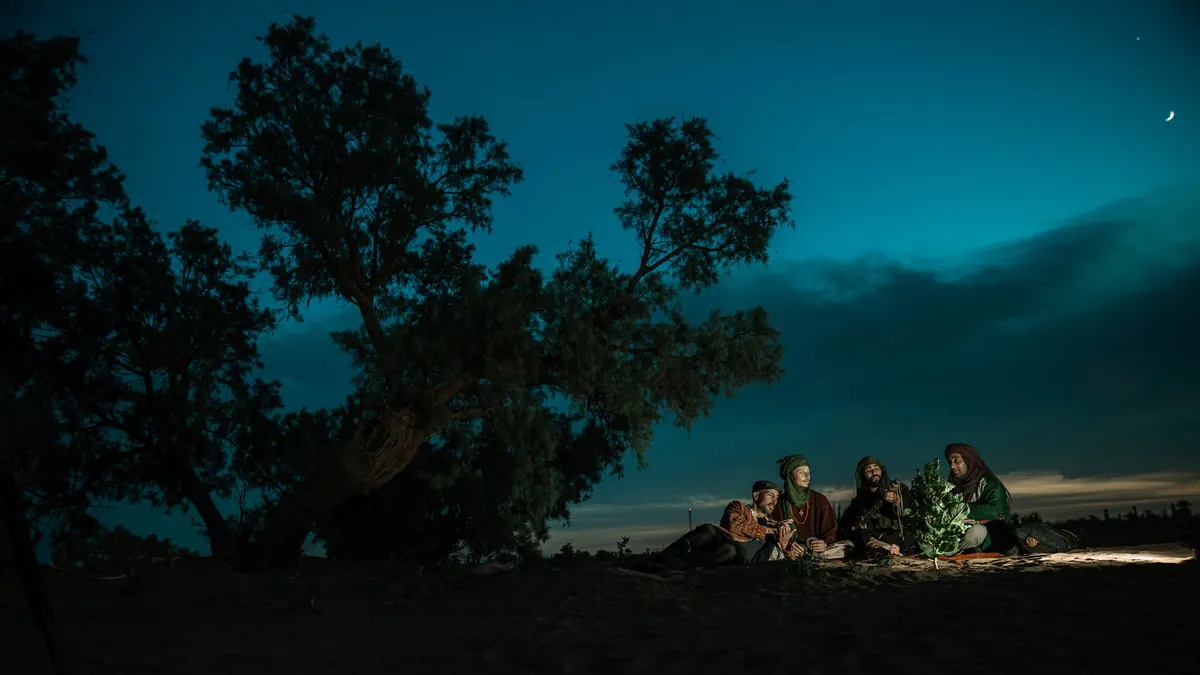
- A thin crescent low in the west after sunset: the Sun has just dropped behind it, so the Moon is following the Sun and will be fatter in a week. Waxing.
- A thin crescent low in the east before sunrise: the Sun is about to come up, and the Moon is running ahead of it, thinning toward new. Waning.
That test works in both hemispheres; the crescent simply leans the other way against your horizon. Folklore offers memory aids — in parts of Europe a crescent standing like a bowl, holding water, was called a wet moon and read as a sign of rain. It is a charming image, but the tilt of the crescent changes with season and latitude, so the same phase may hold water in April and spill it in October. Use it as a picture, not a rule.
3. Confusing the illumination percentage with the phase name
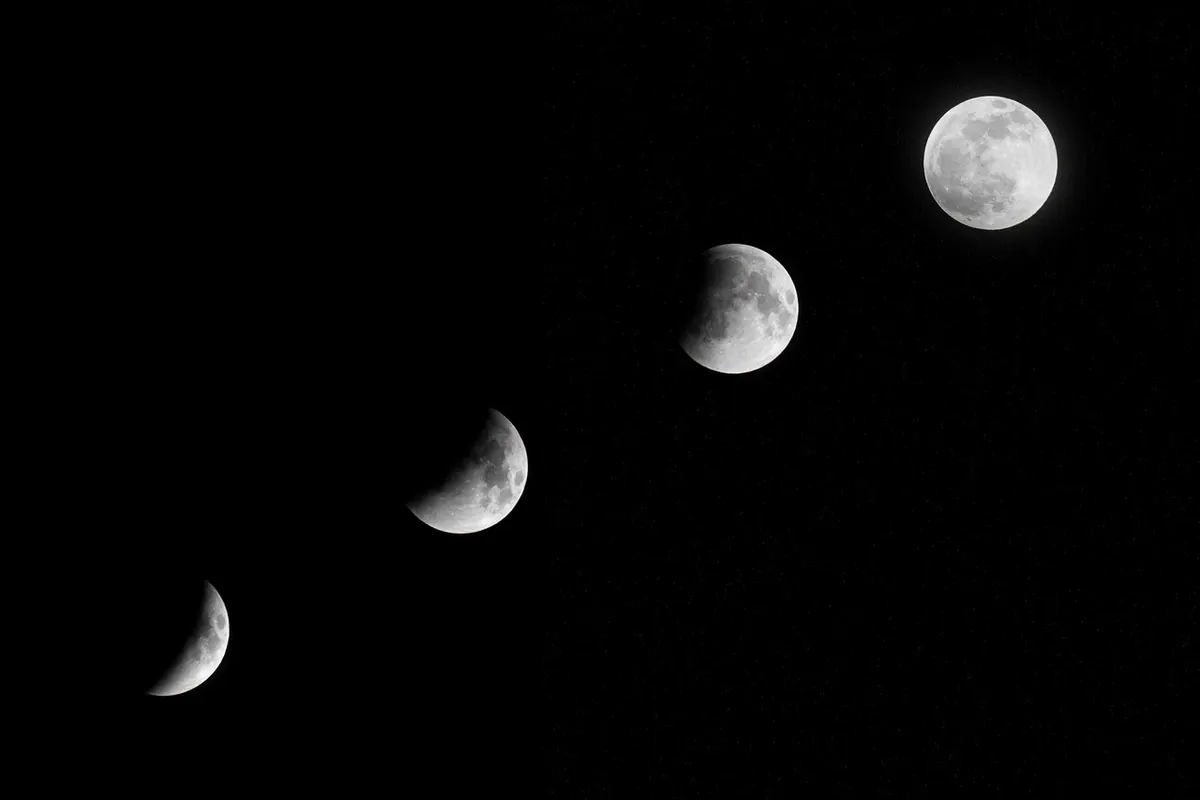
Most apps print a percentage beside the phase name, and the two refuse to line up the way people expect. "First quarter" does not mean a quarter-lit Moon. It means the Moon is a quarter of the way through its cycle — and by coincidence it is roughly half lit at that moment. Quarter and half swap meanings, which is where a great many journals quietly go wrong.
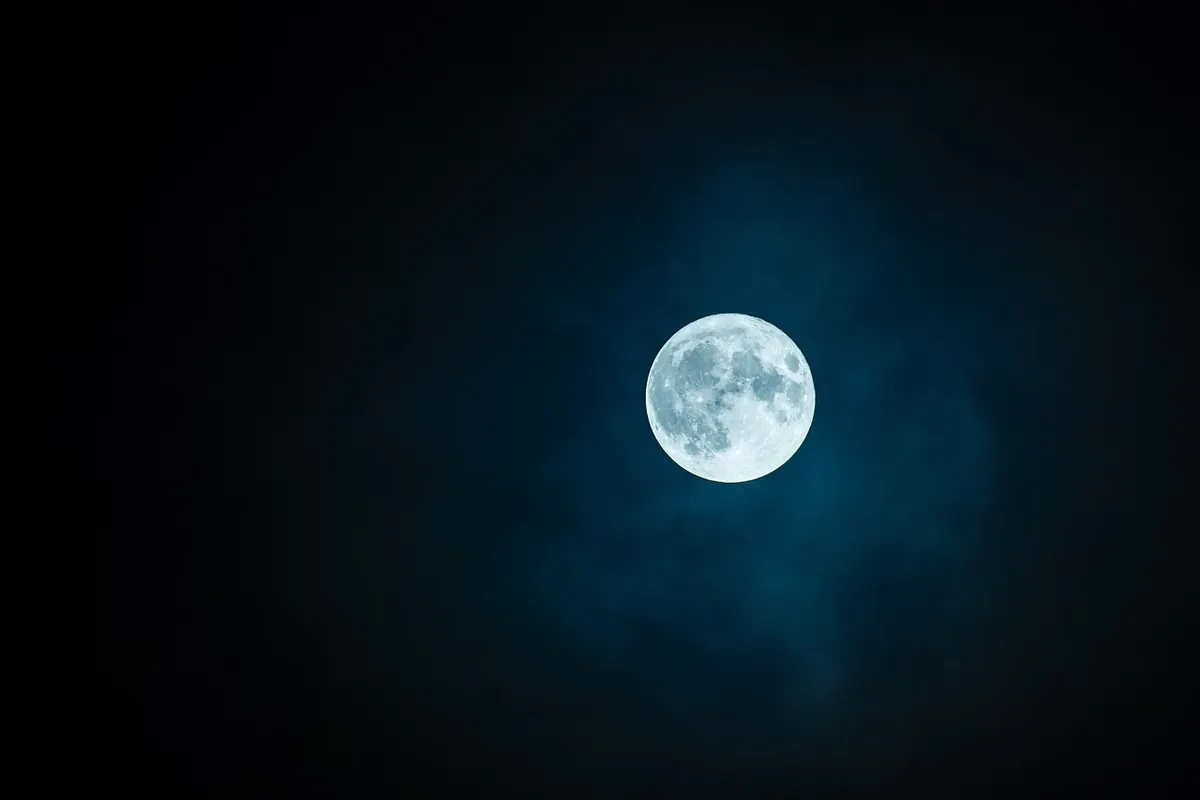
Names also lag behind the geometry. A Moon that is 96 percent lit will be called "full" by most calendars for two or three nights, while the true full moon is a single moment. A diary can honestly record a full moon on Monday and a Moon that looks identical on Tuesday.
The fix is to record two things instead of one: the illuminated percentage, labelled with its source, and a plain description of what you actually saw. "More than half, lit on the lower right, low in the southwest, slightly hazy" will tell you far more in six months than the word "gibbous" ever could.
4. Forgetting that the Moon keeps different hours
You saw the Moon at nine o'clock last week, so you go out at nine o'clock this week and find nothing. The Moon rises roughly fifty minutes later each day, and the phase you are chasing may have set an hour after the Sun. A first quarter Moon is high at sunset and gone by midnight. A full Moon rises as the Sun goes down and stays up all night. A waning crescent is a morning object, best in the hour before dawn. Search for a young crescent at ten in the evening and you will conclude the app is broken. It isn't.
Orientation drifts during the night as well. The lit fraction barely changes over a few hours, but the terminator rotates with the sky, so a Moon that looked like a bowl at eight may look like a boat at eleven. Note the hour with every sketch and the sketches will stop contradicting each other.
One more entry worth writing honestly: the new moon. Unless there is a solar eclipse, you cannot see it. "New moon — looked at 21:00, nothing visible, clear sky" is a real observation. It is worth more than a blank page.
5. Scattered notes and missing locations
Half the records live in a phone, half on the back of an envelope, one on a sticky note that says "full? — Tuesday?" Six months later, none of them can be compared. And an entry without a place is an entry you cannot check, since moonrise shifts by minutes for every degree of longitude you travel.
Keep a standard header and fill it in every time, even when the sky is dull:
- Date, local clock time, plus your city or UTC offset
- Illumination percentage, marked as measured, estimated, or taken from an app
- Compass direction and rough altitude — a fist held at arm's length covers about ten degrees
- Which limb is lit, and where the Sun is: setting, risen, or below the horizon
- Sky conditions, and whether you used naked eye, binoculars or a camera
- Anything unexpected: earthshine on the dark limb, a halo, a bright planet nearby
Consistency beats completeness. A short header used every clear night will serve you better than an elaborate page used twice.
A Five-Minute Routine That Prevents All Five
None of this requires discipline so much as a loop you repeat without thinking. Try this order:
- Before looking up, write the date, the time and where you are standing.
- Find the Sun's direction first — just set, still up, or due to rise — and the crescent question answers itself.
- Record the phase name, the percentage and one plain sentence about the shape and its tilt.
- Once a week, open an almanac alongside your notes and mark which entries were seen and which were calculated.
Do that for a couple of months and the notebook starts to behave like an instrument rather than a scrapbook. The Moon will still surprise you — a halo, a sudden earthshine, a crescent leaning in a way you never noticed before — but at least you will know exactly what you saw, when, and from where.
Photo: 4262159 / Pixabay