October 05, 2026
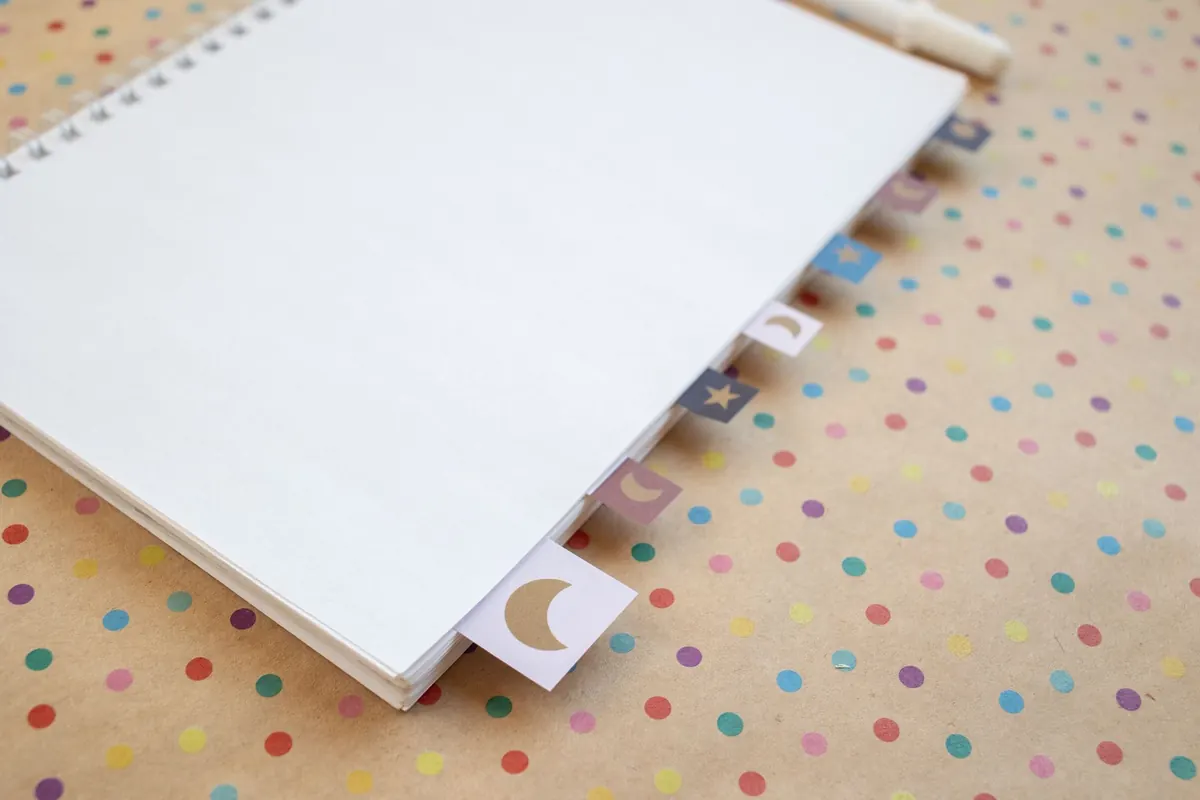
A moon journal is the rare kind of record that improves the less you demand of it. You do not need a telescope, clear skies every night, or any astronomy beyond noticing that the moon looks different every few days. You need a notebook, a pen, and five minutes on the evenings you remember.
What builds up over a few months is a document with two layers: what the moon actually did, and what people in different places and times have said about it. The dates give you structure. The folklore gives you stories to hold up against the sky and check for yourself.
What a Moon Journal Actually Is
Strip away the stationery-shop mood and a moon journal is a dated log. Each entry captures where the moon sits in its cycle, what shape it shows, and what the weather was doing. Some people add dreams and moods; others keep the page strictly observational. Both work, but keeping the two slightly apart makes the record more useful later — a margin for the moon, a wider block for everything else.
The folklore layer is not decoration. It is material: a saying your grandmother used about planting, a name for the October full moon from a farmer's almanac, a local phrase for a ring around the moon. Written next to the phase it belongs to, a scrap of inherited knowledge becomes something you can watch for month after month.
Set Up the Page Before the First Clear Night
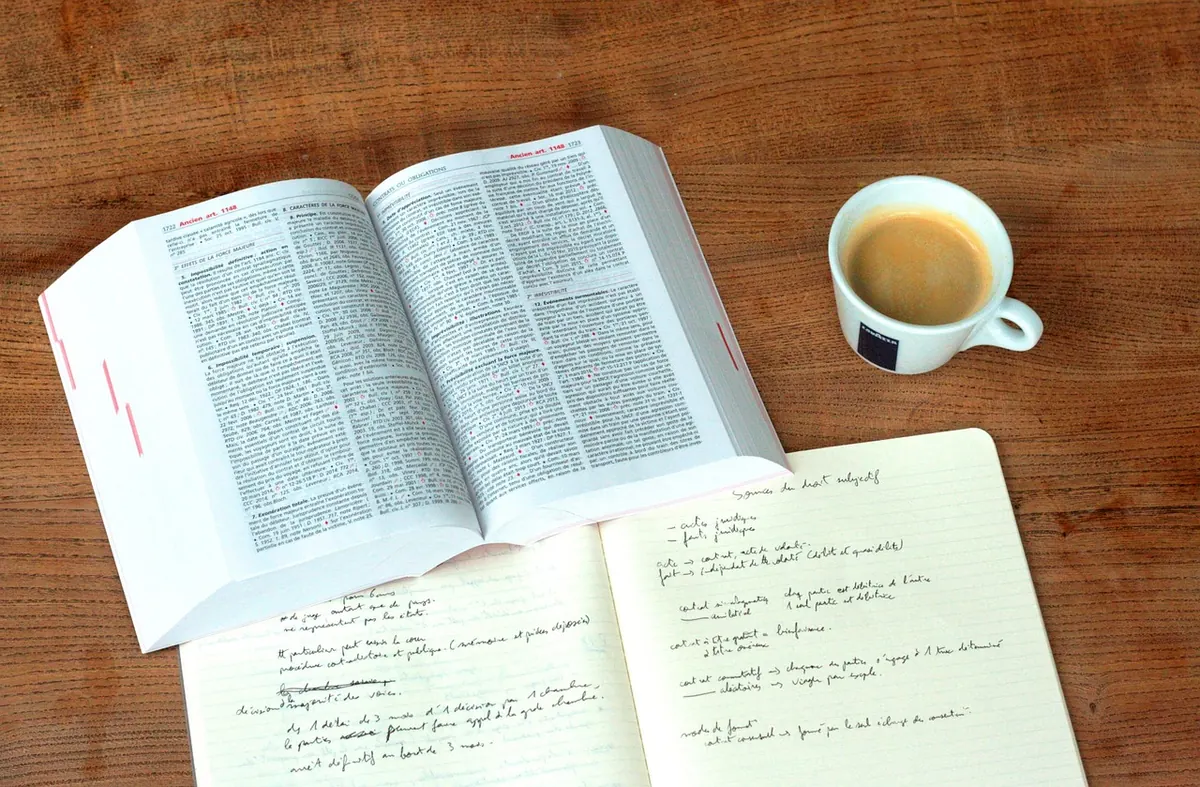
Almost any notebook will do. Pocket books fill quickly and leave no room for drawings; A5 is the comfortable middle. Choose paper that takes ink without bleeding, and keep a pencil nearby for shading — a soft graphite smudges beautifully into the shadowed part of the moon.
A layout that suits most beginners gives each lunar cycle a two-page spread. You do not need to rule anything elaborate in advance; a few guide lines pencilled once will serve for a year.
A simple page layout
- Outer edge: date and time of each observation, one line per night.
- Narrow column: phase name and percentage illuminated, copied from an almanac.
- Centre: a small circle about three centimetres across, drawn in advance.
- Wide block: weather, position in the sky, folklore notes, a single sentence of comment.
Drawing the circles before the month begins is a small trick with a large payoff. When it is cold and you have two minutes, the last thing you want is to be hunting for a coin to trace around.
Learn the Eight Phases You Will Actually Record
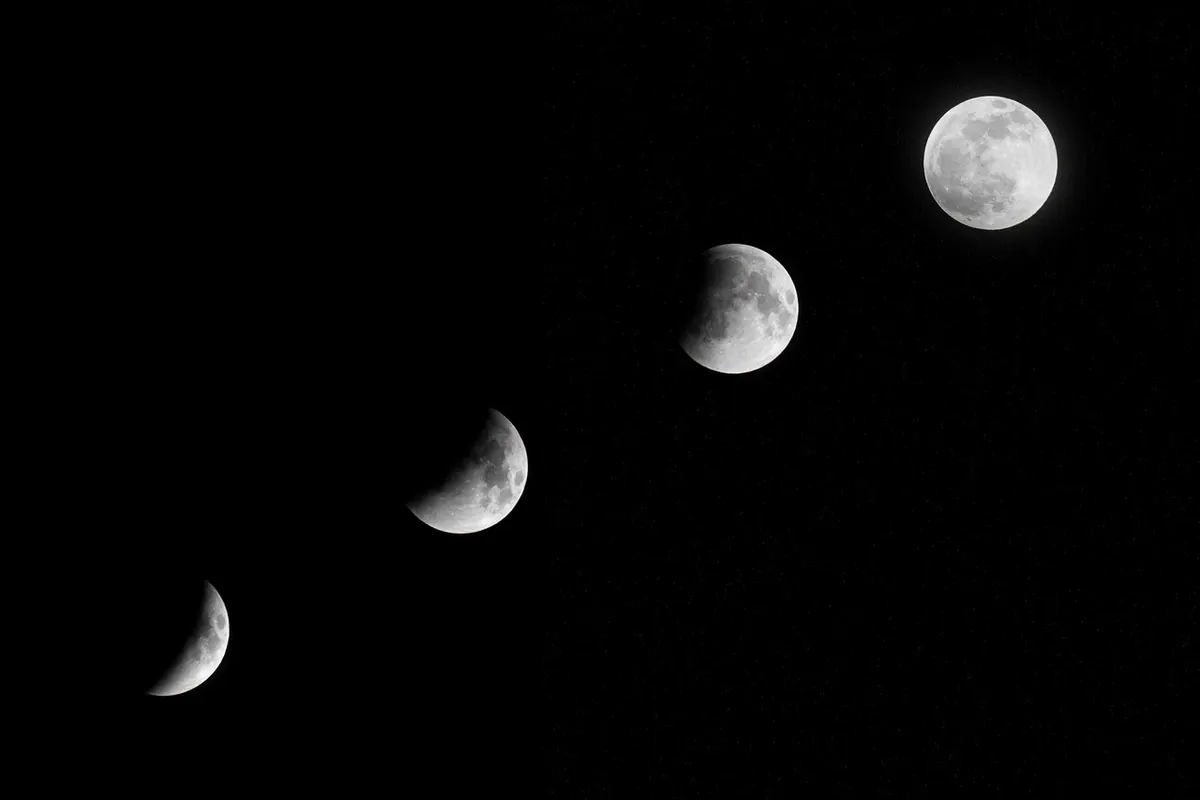
Almanacs divide the cycle into eight named phases, and knowing the sequence makes each entry quicker. In the Northern Hemisphere the waxing moon is lit on the right; in the Southern Hemisphere it is lit on the left. That single fact resolves most beginner confusion about whether the moon is growing or shrinking.
- New moon — effectively invisible, lost in the sun's glare.
- Waxing crescent — a thin sliver low in the west just after sunset.
- First quarter — half lit, high and easy to find at sunset.
- Waxing gibbous — more than half, bright through the evening.
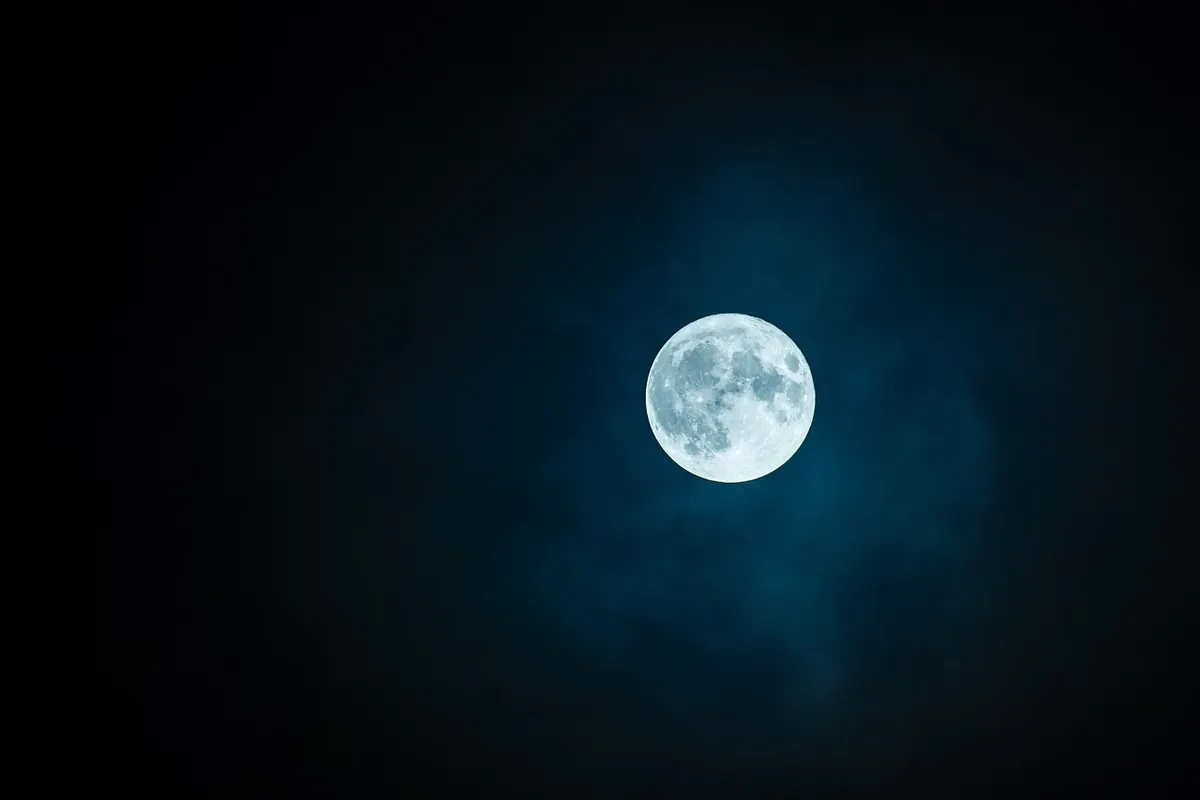
- Full moon — rises near sunset, sets near sunrise.
- Waning gibbous — still bright, but rising later at night.
- Last quarter — half lit again, best seen in the morning sky.
- Waning crescent — a sliver in the east before dawn.
One caution worth writing at the top of your first page: phases are moments, not days. The exact instant of a full moon might be three in the morning on a Tuesday where you live, so the moon on Tuesday evening already looks full but is technically past it. Record the time and your time zone, and the notebook stays honest.
Tracking Phase Dates Without Losing the Thread
A lunar cycle runs a little over twenty-nine and a half days, which means phase dates drift forward by roughly a day each month. That drift is why a calendar alone will not carry you through the year.
Start with the first quarter rather than the new moon. A half moon at sunset is unmissable, whereas a new moon gives you nothing to look at and a beginner's enthusiasm has a way of evaporating on the third overcast night. Once you have logged a first quarter, count forward seven days to the full moon and you have your next anchor point.
Add moonrise and moonset times to your entries if you can find them; the moon rises around fifty minutes later each night, and seeing that pattern in your own handwriting teaches the geometry faster than any diagram. Note whether daylight saving is in force when you copy a time down, and name the source you used — a printed almanac, a calendar, a website — so that a puzzling entry can be checked later.
Adding Folklore Without Turning It Into Homework
Collect one item per cycle and stop there. A journal that tries to swallow every tradition at once becomes a research project you abandon in February.
Full moon names are the easiest place to begin, though they vary widely by region: the Harvest Moon and the Hunter's Moon are among the most durable in English, while other months carry several competing names depending on who is telling the story. Write down the version you were given, not the one the internet prefers.
Threads worth chasing
- A ring around the moon, and the old weather sayings attached to it — ice crystals in high cloud, and rain within a day or two, is the usual prediction.
- Waxing and waning as a gardening clock. Italian tradition speaks of luna crescente and luna calante, with sowing above-ground crops on the growing moon and root vegetables, pruning and harvesting on the waning one. Treat these as traditions to record and test rather than rules to obey.
- Sayings tied to quarter days — a wet or dry quarter, a clear or hazy full moon — and what the following weeks were said to bring.
- Tidal and tidal-adjacent lore from coastal communities, where the moon's pull is a daily fact rather than a curiosity.
- Anything linking the moon to the body, from haircuts to sleeping badly on a full moon. Keep such notes as folklore. For anything that actually affects your health, ask a doctor rather than an almanac.
Write the source beside each note: a grandmother's phrase, a regional almanac, the name of a book. Provenance is what separates a useful folklore collection from a list of sayings with no home.
Sketches, Weather and the Details Worth Keeping
Shade the dark portion of your circle with a pencil and leave the lit limb clean. Then add two details that most beginners forget. First, orientation: note whether the bright edge points left or right and roughly how high the moon stands, using a rooftop or a tree as a landmark. Second, earthshine — the faint grey glow of the unlit disc, strongest in the days around a new crescent, known in older poetry as the old moon in the new moon's arms.
A tilted crescent that seems to hold water like a bowl is sometimes called a wet moon; one standing upright like a boat is a dry moon. The names come from the same habit of reading weather into the sky, and they make lovely, compact entries on a night when you have nothing else to say.
A Five-Minute Routine That Survives the Second Week
- Go outside at roughly the same time each evening, ideally as the light fails.
- Find the moon, note its direction and height, and say the phase out loud before you write it down.
- Shade the circle in your notebook; a rough shape is enough.
- Write one sentence — weather, a saying, or something you noticed.
- On each new moon, read back the previous four weeks before starting a fresh spread.
Expect gaps. A week of cloud, a late night, a forgotten notebook: all of it belongs in the record, and a journal with holes in it is a more honest instrument than one kept perfectly for eleven days and then abandoned. Leave the missed dates blank rather than backfilling them from an almanac, and you will always know which nights you truly watched. After three or four cycles you will have something no printed calendar can give you: a small, dated, handwritten account of the sky above your own street, with the stories you chose to keep beside it.
Photo: KATRIN BOLOVTSOVA / Pexels