October 14, 2026
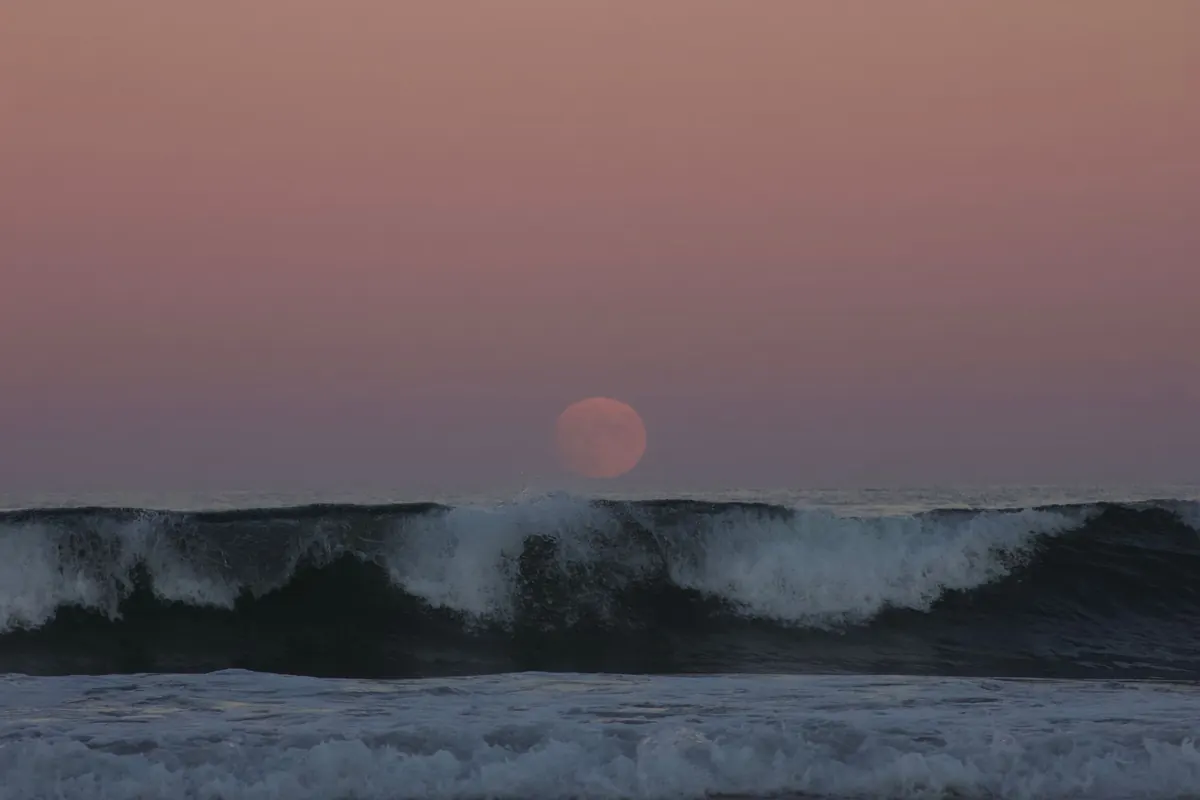
Coastal folklore begins with a simple observation: the sea breathes, and the moon keeps time. Long before printed tide tables, families in fishing villages read the moon the way we read a clock — a thin crescent low over the water meant one kind of night, a full disc overhead meant another. What grew from that habit is a body of lore about tides, fish, and weather that is part practical calendar, part poetry, and still quietly useful to anyone who spends time near salt water.
The Moon That Drinks the Sea
The oldest tide stories start with thirst. In several coastal traditions the moon is said to drink the sea, drawing it up and letting it fall back twice a day; other tellings have the moon dragging the water after her like the hem of a long cloth. The image is wrong in the physics and right in the feeling. The pull is real, patient, and impossible to argue with.
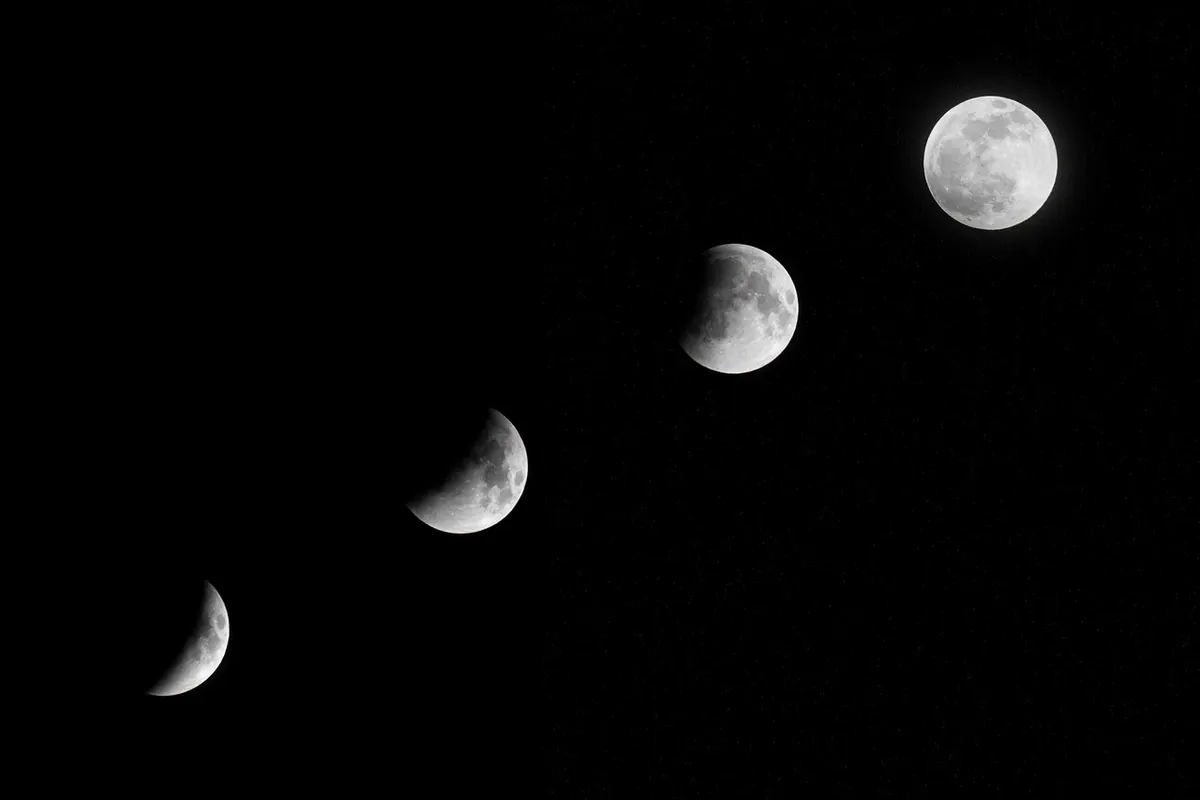
Shore dwellers noticed early that the moon's phase matters as much as its presence. Around the full moon and the new moon the tides run highest and lowest; at the quarters they slacken. We call these spring and neap tides — "spring" from an old sense of swelling, nothing to do with the season. In a fishing village this was simply the shape of the month: a fortnight of big water, a fortnight of small.
That rhythm governed everything. When boats went out. When nets were mended. When shellfish and seaweed were gathered, when driftwood on the beach was reachable, when the flat in front of the harbour was a road and when it was a trap. A household that ignored the moon's fortnight found itself cut off by the tide or standing on dry sand with a boat waiting somewhere else.
Spring Tides and the Fisherman's Calendar
Ask an old angler when the fish bite and you will often get a lunar answer before a meteorological one. The lore holds that fish feed on the making tide and rest on the ebb, so the first hour of the flood is the hour worth having. Along many coasts the biggest tides of the month were said to bring the best runs — the herring sweeping in, the mackerel following, the bass working the surf line.
There is a cautious logic underneath the sayings. Stronger tides move more water, stir more bait, and pull fish into places where a line can reach them. Whether the fish themselves consult the moon is another matter; what the folklore really records is generations of careful observation about where food and current meet.
The luck ran both ways. Some crews would not sail on the new moon, holding that the dark water hid too much and the weather turned sly. Others refused the night of a full moon for netting, saying the fish could see the mesh and slipped around it. You do not have to believe either to recognise the habit behind them: a fixed rule, easy to remember, that kept people cautious on the nights they trusted least.
Weather Lore: Halos, Moon Dogs, and a Moon on Her Back
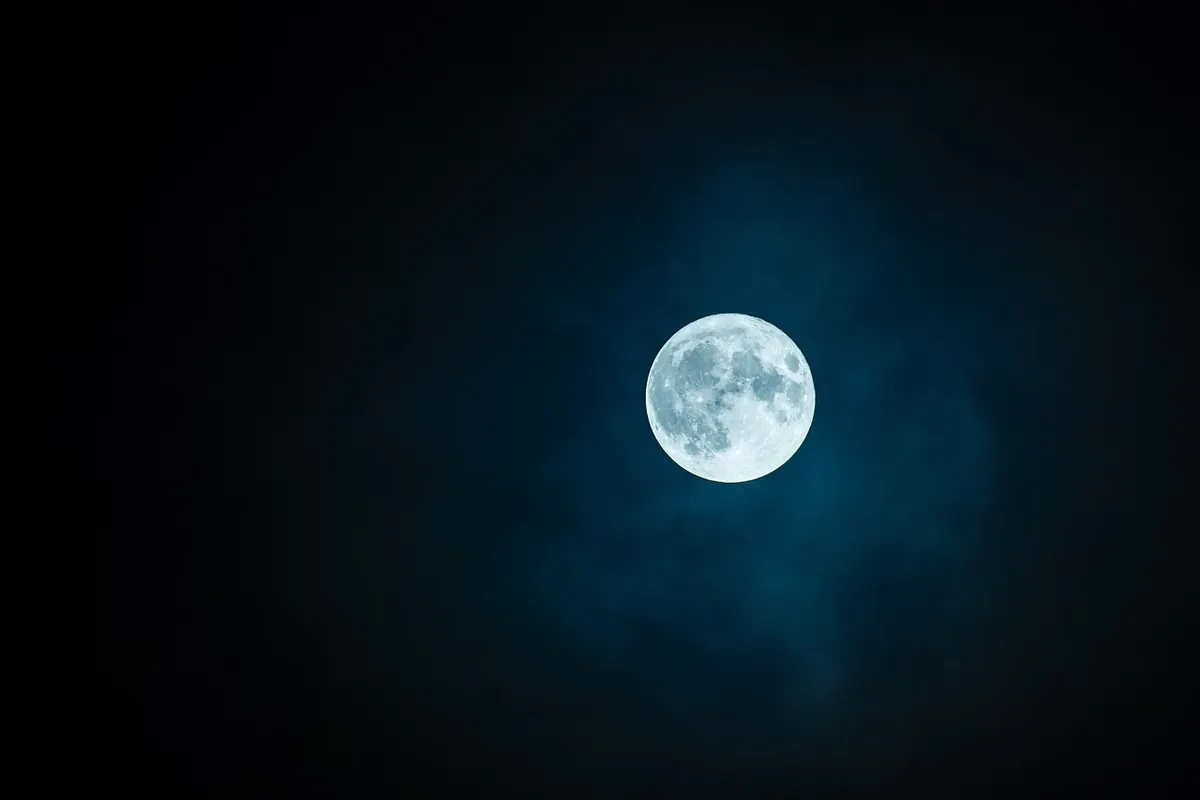
Coastal weather sayings are the most practical part of the folklore, and the most mixed. A ring around the moon — a halo — was read as a warning of rain within a day or so. That one has some substance behind it: high cirrus cloud, the kind that often arrives ahead of a front, carries ice crystals that bend moonlight into a ring. A "moon dog", a bright patch of light beside the moon, carried the same message.
Other sayings are collected below. Treat them as prompts for looking up rather than forecasts to bet a boat on.
- A pale, hazy moon means wet weather coming; a sharp, bright moon means a fair spell. Haze and thin cloud usually arrive before a change.
- A moon on her back — the crescent tilted like a cup — holds water. Sailors read the tilt of the horns as a sign of rain, and a steeply tilted crescent does often come with unsettled air.
- Sharp horns, sharp wind. A hard-edged crescent in a clear sky was read as a night of brisk weather.
- Clear moon, frost soon. A bright, still night in the colder months usually means the heat is leaving the ground, and the tide flats will be white by morning.
What unites them is attention. A fisher who glanced at the moon every night for thirty years accumulated a private library of sky and water, and the sayings are the shorthand for it.
Names for Moons Along the Shore
Inland almanacs named the months for snow, worms, strawberries, and the hunt, and those names travelled to the coast largely intact: the Sturgeon Moon of late summer, the Harvest Moon, the Hunter's Moon. Fishing communities added their own gloss. In some places the year was marked by the fish rather than the field — a herring moon, a mackerel moon, a moon for the first run of salmon up the estuary.
These names did real work. A name is a reminder, and a moon called after a catch told everyone in earshot that the season had arrived and the boats should be ready. It also dated the year for people who owned no calendar, which was most of them.
Spawning by the Moon
Some of the strangest lunar lore turns out to describe something real. On the California coast, grunion come ashore on the highest night tides of spring and summer to spawn in wet sand, so the runs cluster around the full and new moons. In Samoa and Fiji, the palolo worm swarms in the shallows for a few nights after the full moon in October and November, and whole villages go out with lamps and nets to meet it. Similar stories of a moon-timed spawning appear in coastal traditions from the Caribbean to the Indian Ocean.
You can see why these events gathered ceremony. A food source that appears twice a year, on a schedule set by a light in the sky, invites prediction — and prediction invites ritual, songs, and rules about who may harvest and when.
Reading the Moon Tonight
You do not need to adopt anyone's cosmology to make use of the shore's old habits. The method is ordinary and it works.
- Find the moon's phase for the week ahead. Full and new moon mean the big tides; the quarters mean the slack ones.
- Expect the moon to rise roughly fifty minutes later each night. That drift is why the tide slips forward through the day and why the same beach looks entirely different at the same clock time a week later.
- Watch one fixed stretch of shore for a month. Note the height of the water, the direction of the wind, and what the moon looked like. Your own notebook beats any almanac.
- Ask the people who work the water. A harbourmaster, a shellfish farmer, an old hand on the pier will tell you things no book will, and they usually enjoy being asked.
- Keep the sayings, but check them against a real tide table and a real forecast before you plan a walk on a flat or a launch from a slipway.
The lore is not a substitute for the tables. It is something better in one respect: it keeps you looking up. A coast read only through an app is a coast half-seen. Learn the moon's fortnight, notice the ring when it comes, and the old stories stop being quaint and start being true in the way that matters — they make you pay attention to water that is always, quietly, on the move.
Photo: Hanna Tomany / Pexels